Shibuya Sky vs Tokyo Skytree: which one should you visit?

Updated: Oct 4
Disclosure: This post contains affiliate links. If you click through and make a purchase, we may earn a small commission, ♡ at no extra cost to you ♡ It helps cover the costs of keeping this site alive and we really appreciate your support
*Any prices quoted below are subject to change
Both offer stunning views of Tokyo, both are accessible to tourists, and both appear on dozens of Tokyo bucket lists. But they're very different experiences - and for most visitors, one will suit your itinerary far better than the other.
After visiting both observation decks multiple times, we have a clear winner. Here's why.
Want more detail? Check our full Shibuya Sky visitor guide and our full Tokyo Skytree visitor guide for tickets, hours, and practical tips.
What you need to know about each
Tokyo Skytree tower
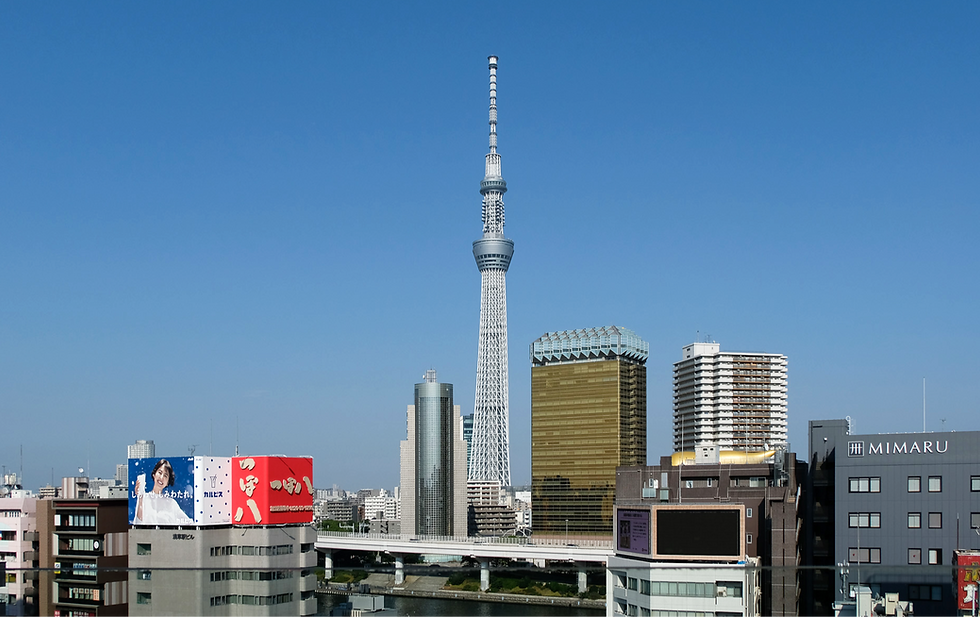
Skytree is taller (634m) and offers a traditional high-altitude observation experience. The Tembo Deck (350m) is the main draw, with a glass floor section (this is kinda small, though) and views in every direction. The higher Galleria deck is also available, but at peak times can involve lengthy queues. The experience is indoors and climate-controlled, which is ideal on a cold winter's or sweltering summer's day, but the angled windows make photography difficult, especially at night, because reflections obscure the views.
Shibuya Sky
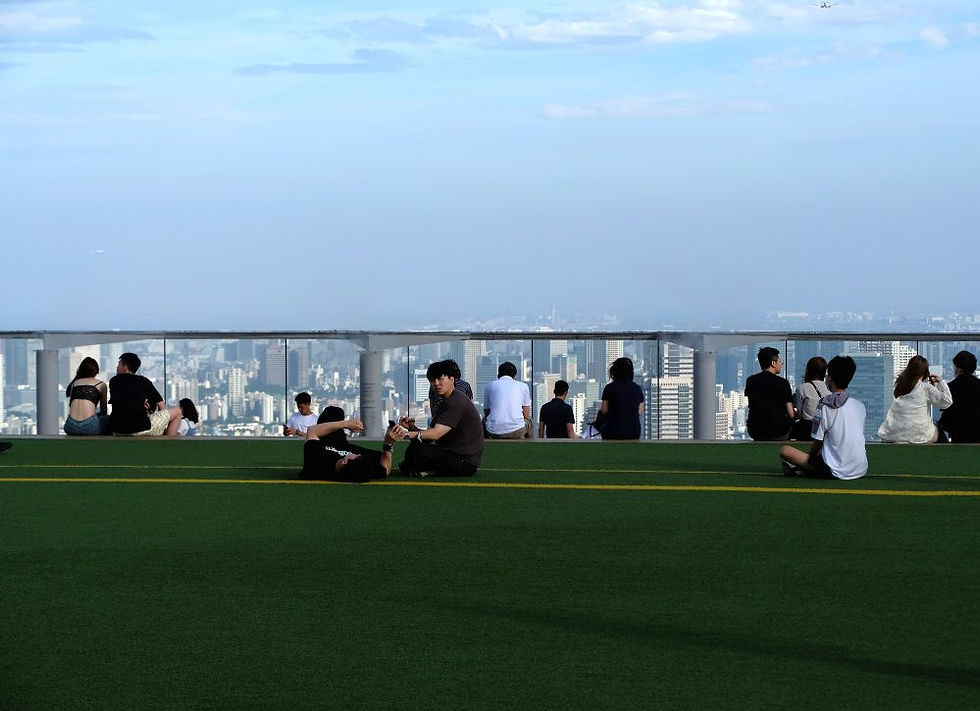
Shibuya Sky is lower (229m, on the 46th floor of the Shibuya Scramble Square building), but the game-changer is the open-air observation deck. This is pretty rare in Tokyo. Unlike Skytree, it never feels crowded - you can actually spend an hour or two up there without feeling like you're in a queue. The views are also different: because you're not miles above the city, you get a much more intimate sense of Tokyo's texture and geography rather than a flat bird's-eye view. There's a covered floor below if weather turns.
Our pick: Shibuya Sky
We prefer Shibuya Sky, and here's why it's our winner.
The experience is better. Shibuya Sky feels like more than just the view. It's a super spot to hang out on the (fake) grass, lay around on the hammocks, people watch and rest your feet after a day walking around the city. The open air makes all the difference. You can chill for a while, and actually stay long enough to watch the light change. Skytree feels more like a viewing booth, it can feel very cramped at peak times and it's definitely more of an in-seen-it-and-out sort of experience.
The photos are better. Shibuya Sky's open-air deck means clean shots without glass reflections. Skytree's angled windows are a known frustration, especially if you're visiting at dusk or night when the city lights are best. If Instagram-worthy views matter to you (and for most visitors, they do), Shibuya Sky wins decisively.
The location is more valuable. Shibuya is one of Tokyo's most interesting neighbourhoods, with shopping, dining, nightlife, and cultural attractions all within walking distance. Skytree is in a more isolated area; the attached Solamachi shopping complex exists, but it doesn't have the same vibe. You can make a full day of Shibuya around Shibuya Sky. Skytree is more of a standalone destination.
It's less crowded. Both get busy, but Shibuya Sky rarely feels packed. Skytree's queues for the escalators between decks are frustrating enough that some visitors skip the higher deck entirely - which defeats the purpose of paying to go up twice.

When Tokyo Skytree wins
If weather is a major concern, Skytree's fully indoor experience is a safer bet. But here's the thing: Shibuya Sky also has a covered floor below the open deck, so you're not left in the rain. The weather argument is weaker than it sounds. Plus, because Skytree is so high, you see even less of the city on days when humidity is high and visibility low.
If you're obsessed with height and want the tallest building experience, Skytree delivers that. But remember: higher doesn't always mean better views. Tokyo is so vast that seeing it from 600m often just looks like a flat, featureless expanse. The mid-height perspective from Shibuya Sky is often more interesting because you can actually see the city's texture and geography.
A fan of city views? Check out our top 10 Tokyo observation decks for even more options, including free viewing platforms
Practical info
Both observation decks are open year-round and accessible to tourists. Tickets are roughly comparable in price (currently around 2,100–2,500 yen depending on time of day and season). Book in advance on Klook to lock in your preferred time and avoid long queues on the day.
The bottom line
If you have to choose between the two, visit Shibuya Sky. It's the more memorable experience, the better location, and the better value for most visitors. You'll actually want to linger, the photos will be clearer, and you'll have an entire neighbourhood to explore before or after. Book on Klook.

Collecting your Japan trip inspo on Pinterest? Hover over and click this pin to save it to your board
Want us to plan a Japan trip just for you? Need help putting together your first trip to Japan? Just get in touch.


Comments